Dog Breed Guide
Tibetan Mastiff
Profile
- Size
- Extra Large
- Country of origin
- China (Tibet)
- Origin
- Ancient
- Bred for
- Livestock guardian, Watchdog
- Height
- male 66cm (26in) and over, female 61cm (24in) and over
- Weight
- male 41 - 68kg (90 - 150lb), female 32 - 54kg (71 - 119lb)
- Life span
- 10 - 12 years
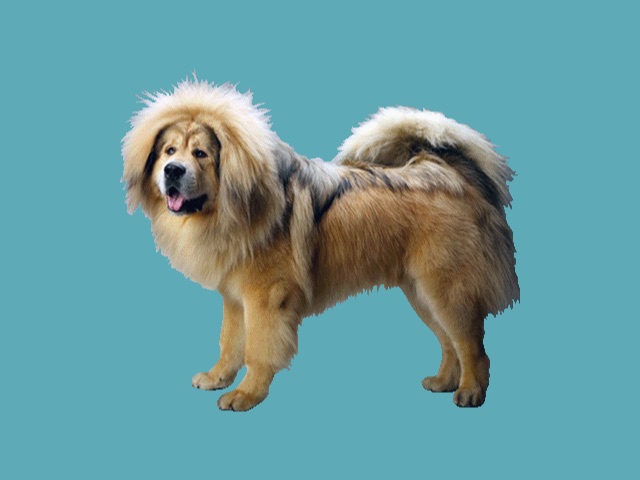
A massive, heavy-boned dog with a dense double coat. The abundant hair around the neck and shoulders spreads out like a mane, and this lion-like look is the breed's trademark. Colors include black, black and tan, gold and blue. Once a year, from late spring into summer, the coat comes out in great clumps.
The Tibetan Mastiff is calm and deeply affectionate with its family but naturally wary of strangers and unfamiliar animals. Bred to guard flocks by making its own decisions, it is an independent thinker rather than a dog that simply follows orders. It tends to become more active at night, as if making its rounds, and has a deep, booming bark.
The breed matures slowly and is not fully grown in body and mind until about three or four years old. Early socialization and patient training from an experienced owner are essential. It handles cold extremely well but suffers in hot, humid weather.
Good to know
In Tibet the dog is called "do-khyi," roughly "the dog that is tied." It was kept chained during the day and let loose at night to protect villages and nomads' tents from wolves and snow leopards. Some believe the dogs "as big as donkeys" described in Marco Polo's travels were its ancestors.
In the 2000s the breed became a symbol of wealth and power in China, setting off an extraordinary boom. In 2011 a one-year-old red male named Hong Dong ("Big Splash") was reported to have been sold to a coal mine owner for 10 million yuan, about 1.5 million US dollars at the time, and the press called him the world's most expensive dog.
The boom collapsed quickly from around 2013. Many dogs that could not be sold or were no longer wanted were abandoned on the Tibetan plateau, and caring for these former luxury dogs, now living as strays, remains a local problem today.